
Gen Z Will Have No Idea What These Everyday ’70s Objects Were Actually Used For
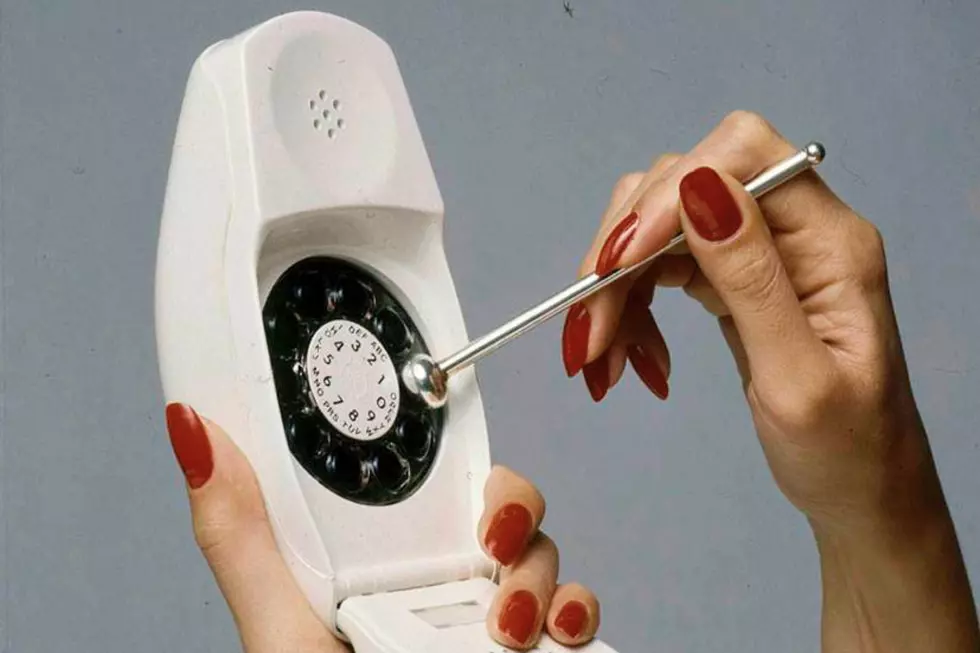
What you see here is not a letter opener (remember those?) or some kind of medical equipment — it's a rotary dial pen, and if your mom took pride in her nails in the '70s, this was sitting next to your "house phone" at all times. Imagine handing a kid today a metal wand and a rotary phone and asking them to call Grandma. One, they wouldn't know her number, and two, you'll realize from the blank stare just how far we've come.
MORE '70s | Everyday 1970s Fashion: 79 Photos of What People Actually Wore
That's the thing with progress — things were invented to alleviate common everyday grievances and needs. A cigarette machine in a diner with ashtrays at every table, a TV you had to manually "tune," a metal tab you ripped clean off a soda can (then wore as a charm necklace, naturally).
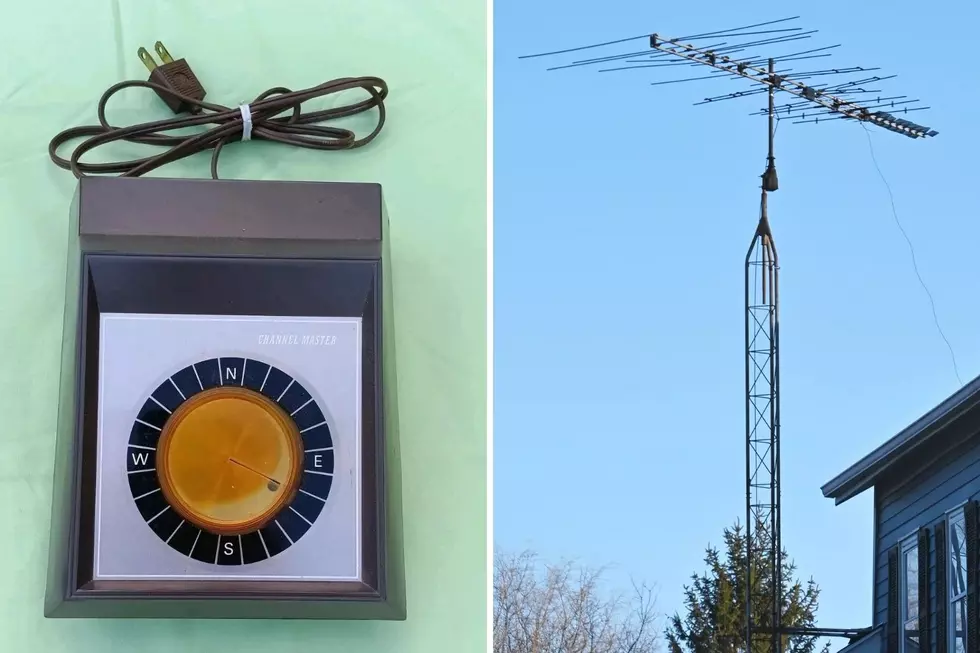
The TV Antenna Rotor Was Basically Home Satellite Tracking
Take the antenna rotor. If you didn't have rabbit ears doing the lion's share of TV tuning on the living room set, you had a NASA-grade TV antenna on your roof that you'd rotate using a small, '70s-beige knob and box. You knew something big was on TV that night when the whole neighborhood was full of buzzing, rotating antennas.

Payphones Were How '70s Kids Actually Texted
And if Gen Z can believe it, '70s kids had their own kind of texting, which consisted of a payphone outside the mall or movie theater that basically became a group chat. You'd call collect (that's when you made the person you were calling pay), blurt your name fast enough that it sounded like one word — "MomIt'sMeComeGetMeAtTheMall" — and hang up before the operator could even finish asking your mom if she accepted the charges. We were criminals and never looked back.
Step back into the 1970s and take a look at the everyday objects that would leave Gen Z completely stumped.
LOOK: 30 Objects That Might Leave Gen Z Asking "What the...?"
Gallery Credit: Stephen Lenz
LOOK: 79 Photos That Prove the '70s Had Style All Its Own
Gallery Credit: Stephen Lenz