Central Texas Identified as Epicenter for “Concrete Cancer” Pool Defect
If your concrete swimming pool was built after 2017, it may have concrete cancer.
Swim Free Summer in Central Texas
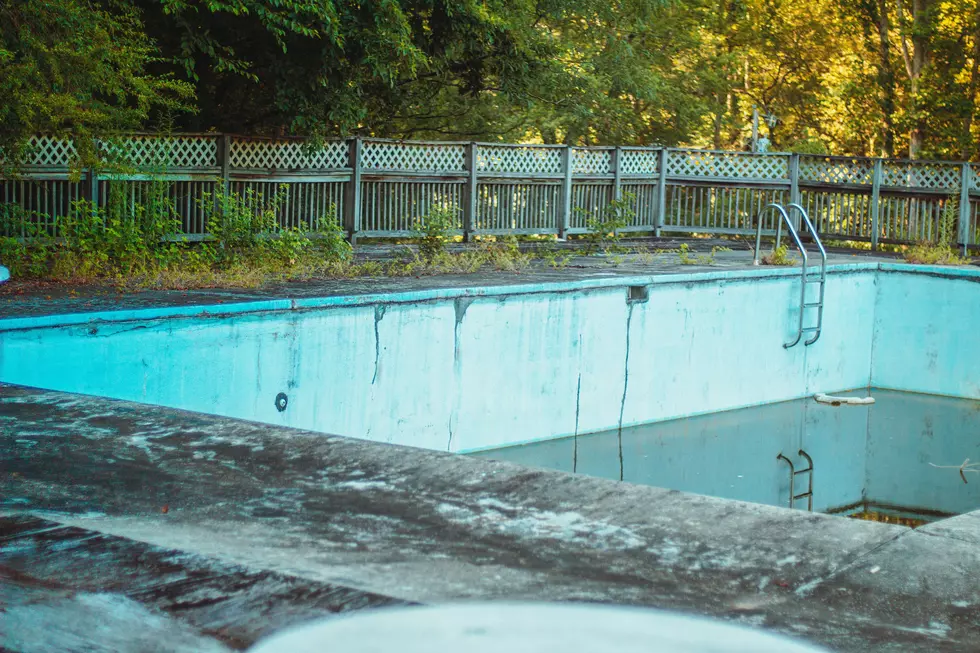
There is nothing like jumping into a cold pool on a steaming hot Texas summer day. But residents in a Georgetown, Texas, neighborhood don't have that luxury after their community pool was drained due to a structural defect known as "concrete cancer."According to Fox 44, the pool at Carlson Place was emptied last winter following the discovery of extensive, spiderweb-like cracking along its interior walls.
Alkali-Silica Reaction (ASR)
The structural failure stems from alkali-silica reaction (ASR), a chemical process that occurs when minerals in sand and rock aggregates react with cement paste. This reaction creates a gel that expands upon absorbing water, exerting internal pressure that eventually fractures the concrete from the inside out.
Central Texas Is Ground Zero
Industry professionals identify Central Texas as an epicenter for ASR issues, particularly affecting residential and commercial pools constructed since 2017. It has been estimated that as many as 30,000 pools across the region may be compromised by the condition.
Material Shortages and Regional Impact
Industry analysts point to a shifting supply chain for the rise in regional ASR cases. Historically, concrete mixtures utilized fly ash, a byproduct of coal combustion, to suppress chemical reactivity. However, environmental regulations mandated during the Obama Administration forced many power plants to transition from coal to natural gas, drastically reducing the availability of fly ash statewide.
No Easy Fix
Because ASR cannot be reversed, and there is no patch, pool owners are faced with complete demolition and replacement of the pool, with total costs ranging between $150,000 and $500,000 per facility. While temporary measures like rubberized coatings can slow degradation, full reconstruction is generally inevitable once the reaction takes hold.
Homeowners Seek Solutions and Legal Recourse
In Georgetown, the homeowner's association, managed by Goodwin & Company, informed residents that it is pursuing legal avenues to recover damages from the neighborhood's developer, Pulte. A spokesperson for Pulte confirmed the company recently received documentation from the HOA regarding the defect and is actively reviewing the matter.
The Damage Exceeds the Cracks
To fund reconstruction, the HOA board is exploring loan options, which could result in a monthly dues increase for homeowners beginning in early 2027. In the meantime, residents express growing concern over neighborhood property values, and the risks of stagnant rainwater collecting in the empty shell.
Texas' Largest Swimming Pool at Balmorhea State Park
Gallery Credit: Chaz
Epic Texas Road Trip Destinations: National Parks, Swimming Holes, and More
Gallery Credit: Chaz
More From KUSJ-FM