
Standard vs. Daylight: The Great American Time Change Debate
Over the weekend, there was some drama between President Trump and U.S. Senator Tom Cotton of Arkansas over making Daylight Saving Time permanent. Trump wants it and Cotton does not. So, what are the big differences and what makes one better than the other?
The Fundamentals of Daylight Saving and Standard Time
Every year, millions of people around the world adjust their clocks twice annually, transitioning between Standard Time (Fall) and Daylight-Saving Time (Spring). While standard time represents the natural astronomical clock, where the sun reaches its highest point in the sky near midday, Daylight Saving Time is an artificial system designed to extend evening daylight during the spring and summer months.
Standard Time: The Natural Rhythm and Its Pros and Cons
Standard time aligns most closely with human circadian rhythms, as it synchronizes the biological clock with natural sunrise and sunset patterns.
The Positives of Standard Time
Sleep experts and health organizations strongly favor standard time. Morning sunlight helps regulate cortisol and melatonin production, promoting healthier sleep-wake cycles, sharper mental clarity, and improved long-term cardiovascular health. Additionally, darker mornings during winter months improve safety for children waiting for school buses and morning commuters navigating early traffic.
The Negatives of Standard Time
The primary downside of standard time occurs in the late fall and winter, when sunset arrives significantly earlier in the afternoon. Early evening darkness can lead to increased seasonal affective disorder (SAD) and reduced outdoor physical activity.
Daylight Saving Time: Maximizing Daylight at a Cost
Daylight Saving Time was widely adopted in the 20th century, largely built on the premise of energy conservation and lifestyle enhancement during warmer months.
The Positives of Daylight-Saving Time
The main benefit of DST is the extra hour of usable evening light. This extension encourages outdoor recreation, supports local economic activity—such as outdoor dining, sports, and tourism.
The Negatives of Daylight-Saving Time
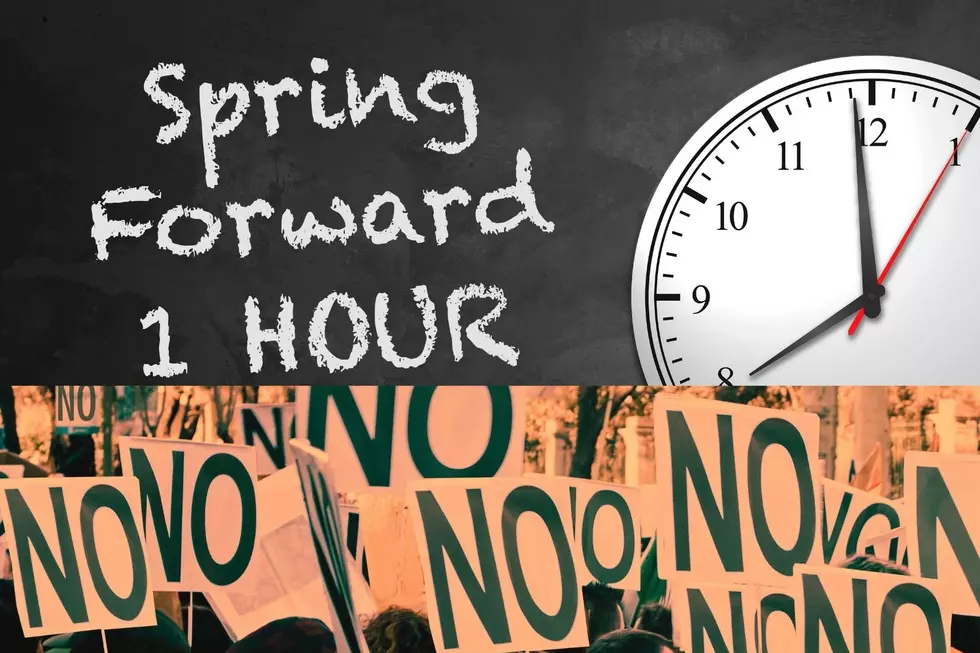
The spring transition into DST, when clocks "spring forward," disrupts internal body clocks and results in collective sleep deprivation. Medical research indicates a measurable spike in heart attacks, workplace injuries, fatal car crashes, and mood disturbances in the days immediately following the time change.
The Ongoing Debate: Which Clock Should Stay?
As medical professionals, economists, and lawmakers continue to debate the merits of both systems, a growing consensus agrees that the bi-annual practice of changing clocks produces negative health and economic impacts. While some advocate for permanent Standard Time to prioritize human health and natural sleep biology, others lobby for permanent Daylight-Saving Time to preserve long evening hours year-round.
8 Negative Health Effects Caused By Daylight Saving Time
Gallery Credit: Buehler
5 Tips For Surviving Daylight Saving Time
Gallery Credit: Scott Clow
More From KUSJ-FM