Heads Up Central Texas: Cheyenne Bans Data Center Wastewater After Meta Contaminates Infrastructure
In Central Texas, residents are concerned about the huge amount of water used by data centers. But what happens when data centers contaminate the water systems?
Cheyenne, Wyoming Halts Data Center Wastewater Acceptance After Meta Contractor Contaminates City System
The Cheyenne Board of Public Utilities has instituted an indefinite suspension on receiving industrial wastewater from data center operations. The policy shift comes after a building contractor for Meta, the parent company of Facebook, introduced a rare bacterium into the municipal sewage infrastructure.
Read More: Texas Data Centers: Water Consumption And Regulatory Challenges
Enforcement Action
According to Cowboy State Daily, this marks the first time local officials have explicitly named the tech giant as the source of the biological contamination that has forced the city into a cleanup that will span several months. The freeze specifically impacts data center "fill-and-flush" procedures, which is a standard method used to sanitize and evaluate climate control systems before facilities go live, along with closed-loop systems.
The Root of the Contamination
In February, municipal testing uncovered the presence of Cupriavidus gilardii, a rare strain of bacteria, originating from Project Cosmo, Meta's huge, $800 million data center campus located in south Cheyenne's High Plains Business Park.
The Source of the Contamination
Goat Systems LLC, the corporate shell utilized by Meta for the construction of the nearly 800,000-square-foot facility, was cited for severe noncompliance with local industrial pretreatment policies. The bacteria compromised Cheyenne's water reclamation facilities and leaked into the municipal recycling loop. While the polluted recycled water affected local irrigation systems, city officials are telling residents that the city's public drinking water supply remained entirely safe and unaffected. The Board of Public Utilities officially rescinded the contractor's industrial dumping privileges on March 24.
Meta and Contractor Respond
In a statement addressing the incident, a Meta spokesperson said when the substance was found in the wastewater, the company stopped discharging industrial wastewater and began hauling it offsite. They did not give an exact address of where the "offsite" facility was located.
The Broader Backlash Against Data Centers
The environmental footprint of the rapidly expanding artificial intelligence and data infrastructure sector has become a major flashpoint in Texas and across the United States. Environmental advocate Erin Brockovich has recently mobilized a campaign targeting data centers in Texas, raising alarms over the non-disclosure agreements frequently signed between local governments and tech developers. Brockovich argues these secretive arrangements allow massive facilities to bypass public environmental assessments, leaving local populations in the dark.
Read More: How Erin Brockovich Tackles Data Centers' Environmental Impact
The Demise of Quality of Life
Communities dealing with data centers have increasingly complained about a drop in quality of life, citing:
Staggering water and electrical consumption.
Spikes in residential utility bills and sudden power surges.
Incessant, round-the-clock noise pollution from massive cooling generators that drive away local wildlife and disturb nearby residents.
Bright lights that can be seen for miles during the night
Read More: Concerns Grow Over Data Center Expansion In Central Texas
Massive Money Game
The major problem in stopping the proliferation of data centers in Texas and elsewhere is the huge amount of money involved. When commissioners in Hill County, Texas, attempted to pass a one-year moratorium on data center construction following fierce pushback from residents, tech developers slapped the county with a $100 million lawsuit, ultimately forcing local leaders to back down.
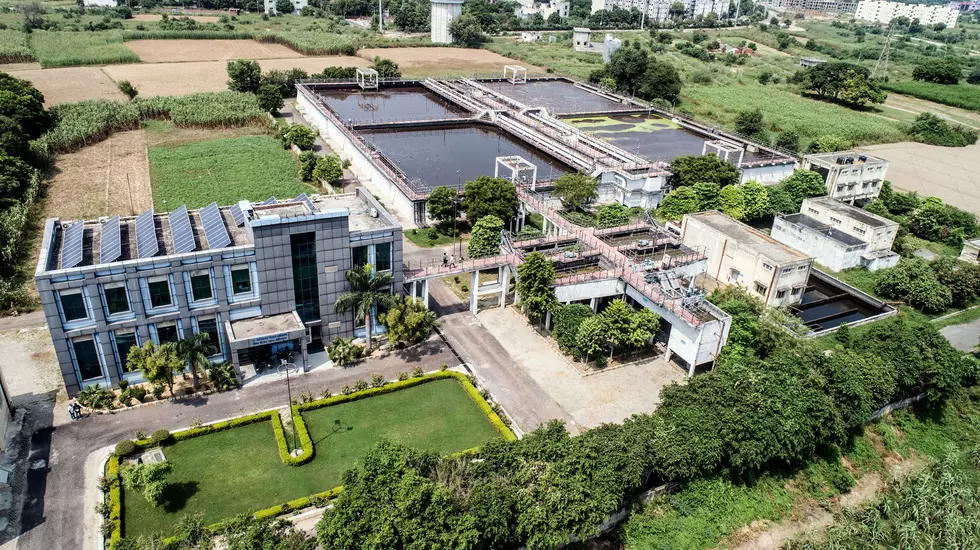
Wastewater Plant Tour
Gallery Credit: Randy Kirby
Dangers PFAS "forever chemicals" in New Jersey drinking water
Gallery Credit: Rick Rickman
More From KUSJ-FM