
What Central Texas Pecan and Mesquite Trees Reveal About Winter And Summer Weather
We have heard the old wives tale about pecan trees predicting the last winter freeze, but what about heat waves? Science has the answer.
Can Texas Pecan Trees Predict A Heat Wave?
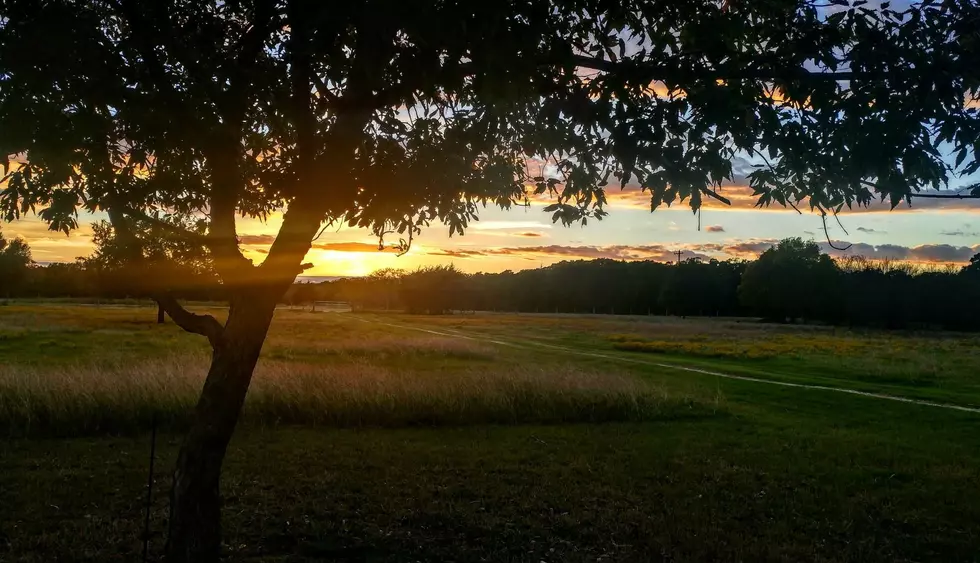
For generations, Central Texas farmers and backyard gardeners have looked at the trees for the go ahead to plant. The old wives' tale says that the native mesquite and pecan trees will never break dormancy and bud until the absolute final freeze of the winter has safely passed. The tale also says the timing and aggressiveness of this spring awakening can forecast the severity of the impending summer heat wave.
The Botanical Reality of Bud Break
According to data from the Texas A&M AgriLife Extension Service, these two Texas trees are not actually looking into a crystal ball; rather, they are highly sensitive biological computers tracking environmental variables.
Pecan Trees
Pecan trees require a specific number of "chill hours" or the total number of hours of temperatures that remain below 45°F during the winter months. These cold temperatures must be followed by a sustained period of warm soil and heat to break their winter slumber. Because pecans require a significantly higher threshold of heat accumulation to wake up compared to fragile fruit trees like peaches or plums, they naturally bud much later in the spring, typically around late March or early April.
Mesquite Trees
The mesquite tree operates on a similar timeline. Mesquites have an incredibly deep, aggressive root system that prioritizes stability over early growth. This means the Mesquite is more focused on sending out roots below the ground as opposed to growing leaves and limbs above the ground. When Texans see the mesquite and pecan trees finally pushing out their green foliage, it is a biological confirmation that the soil has reached a stable, warm temperature threshold where a severe, deep-ground arctic freeze becomes less likely.
From Spring Budding to Summer Stress
While the trees cannot technically "predict" a summer heat wave, their spring behavior dictates how they survive it. Data from AgriLife Research shows that while late budding trees are protected from freeze damage, a late, sporadic bud break caused by fluctuating winter temperatures can leave trees vulnerable to the brutal triple-digit realities of July and August.
The Problem with Mild Winters and Late Frosts
When extreme heat waves settle over Central Texas, native vegetation undergoes profound metabolic stress. If the winter did not have enough hours of cold temperatures or featured a deceptive "fake spring" followed by a late frost, the Texas tree canopy fails to develop fully. Without healthy, thick foliage to facilitate transpiration (tree sweating), the tree cannot cool itself efficiently. Ever felt a drop of rain and the sky is clear? You have just been sweated on by a tree!
Pecan Tree Protection
Remember that Jeff Goldblum line in the original Jurassic Park... "Life, uh, finds a way"? The Pecan Tree is proof. During severe summer dry spells, the ultimate defense mechanism of the pecan tree is to shed its entire crop of developing nuts to conserve moisture and energy for its massive limb, trunk, and root systems.
Folklore Versus Science
Ultimately, traditional folklore gets the practical result right, even if the underlying science differs. The budding of the mesquite and pecan trees serves as a green light for Central Texas gardeners to safely plant their summer crops. The trees may not possess a psychic radar for the next record-breaking heat wave, but their biological responses do let us know if the hot, dry weather is stressing them out.
Fun Texas Things To Do Memorial Day Weekend Before Summer Melts Your Face Off
Gallery Credit: Chaz
The Best Natural Lazy Rivers in Texas for Summer Floating and More
Gallery Credit: Tara Holley
More From KUSJ-FM